Italy visa guide hero — Colosseum and Venice canals

Visa2Italy

Italy visa guidance

Apply for an Italy Visa

Professional visa assistance for tourism, business, study and family visits.

Country overview

Practical context for travellers planning a visit to Italy — from entry basics to local travel rhythm.

Italy layers Roman ruins, Renaissance art, Alpine lakes, and Amalfi cliff roads into one of Europe's busiest tourism circuits. Rome's Colosseum, Florence's Uffizi, and Venice's canals anchor classic itineraries, while Bologna and Sicily add food-focused detours. UK travellers who require visas must submit Schengen applications with biometrics; visa-exempt visitors still obey 90/180-day stays.

Euros (EUR) dominate; small trattorie may prefer cash. Italian is the national language, with English common in hotels. Churches require covered shoulders and knees; skip shorts at Vatican sites. Dining starts late—book restaurants after 20:00 for local atmosphere.

Spring and autumn tame city heat; August empties Milan as Italians holiday while coastal towns peak. Pre-book Uffizi, Accademia, and Vatican tickets; ZTL zones penalise drivers in historic cores—use park-and-ride. Train travel beats motorways for Florence–Rome hops.

Long-stay study and work visas route through Italian consulates with distinct paperwork. ETIAS may supplement future UK entries to Schengen. This summary aids visa planning; consular decisions are final.

Interesting facts

  • Schengen 90/180-day rules govern most short UK tourism.
  • Coperto service charges appear on restaurant bills—read menus carefully.
  • ZTL limited-traffic zones fine unregistered cars in historic centres.
  • Tap water is safe; free fountains (nasoni) fill bottles in Rome.
  • Pickpockets operate on Rome metro and Venice vaporetto routes.
  • Museum passes and timed entries are essential for peak season sights.

At a glance

Capital
Rome
Currency
Euro (EUR)
Language
Italian
Time zone
Europe/Rome
Continent
Europe

Climate

Mediterranean south is hot and dry in summer; Alpine north has cold winters; Venice and Florence see heatwaves and occasional acqua alta flooding.

Visa types

Choose the route that matches your purpose of travel to Italy.

Tourist visa

A tourist visa for Italy is intended for leisure travel, sightseeing, and short cultural visits without employment. Most applicants explain their itinerary—often including Rome—and show return plans plus sufficient funds in Euro (EUR). Italy uses Schengen short-stay visa and visa-free entry for eligible passports within 90/180 rules; rules differ by nationality, so confirm whether you need a visa before departure or can obtain an e-visa online. Keep hotel confirmations and travel insurance aligned with embassy guidance, especially during peak seasons when consulates receive higher volumes. Mention cultural plans clearly on the form—La dolce vita meets regional pride—dress smartly in churches, avoid loud voices in residential piazzas, and expect late dinners.

Learn more

Business visa

Business visas cover meetings, trade fairs, contract negotiations, and supervised commercial activity in Italy. You typically need an invitation letter from a registered company, proof of your employer, and clarity that you will not take paid local work without a work permit. Visits to Rome for conferences are common; carry printed copies of event registration and contact details for your host organisation. Processing may require additional security screening depending on your sector and travel history.

Learn more

Student visa

Student visas apply when you have an admission letter from a recognised school or university in Italy. Authorities expect evidence of tuition payment or scholarship, accommodation arrangements, and financial support for the full study period. Some programmes in Rome require language proficiency certificates; others offer foundation courses. Plan ahead because document legalisation and medical checks can add weeks beyond standard processing times.

Learn more

Transit visa

Transit visas are for travellers passing through Italy en route to another country when you must leave the international transit zone or stay overnight. If you remain airside on a single ticket, a transit visa may not be required, but ferry, rail, or multi-airport connections through Rome often trigger a visa rule. Check maximum layover hours and whether your nationality qualifies for visa-free transit before booking tight connections.

Learn more

Work visa

Work visas and employment permits are required before you perform paid work in Italy. Employers usually sponsor the application, providing contracts that meet minimum salary and qualification thresholds where applicable. Categories differ for skilled professionals, seasonal staff, and intra-company transfers. Unlike tourist routes, work permits may involve labour market tests and registration with local authorities in Rome after arrival.

Learn more

Family visa

Family reunion visas allow spouses, dependent children, and sometimes extended relatives to join legal residents or citizens in Italy. Evidence includes marriage or birth certificates, proof of relationship authenticity, and adequate housing and income from the sponsor. Interviews may be scheduled at consulates serving your region; translations into Italian or English are often required. Timelines vary widely based on quota and document verification.

Learn more

Visa requirements

  • Valid passport

    Passport valid at least six months beyond your intended stay in Italy, with two or more blank pages for entry stamps. Some routes require machine-readable passports with chip data matching your application exactly.

  • Passport photographs

    Recent colour photos on a plain background, sized to embassy specifications (often 35×45 mm). Glasses and headwear rules vary; provide digital copies if applying through an online portal.

  • Travel medical insurance

    Policy covering emergency treatment, hospitalisation, and medical evacuation for the full trip duration in Italy. Keep a printable certificate showing coverage dates and policy number in English or with translation.

  • Accommodation proof

    Confirmed hotel bookings, rental agreement, or host invitation showing address and dates. Immigration officers may verify reservations on arrival, especially for tourist visas.

  • Financial evidence

    Bank statements or payslips demonstrating you can fund travel and daily expenses in Euro (EUR). Sudden large deposits shortly before applying may prompt additional questions—use consistent account history where possible.

  • Invitation or sponsor letter

    Required for many business and family routes: letter on company or sponsor letterhead with contact details, purpose of visit, and responsibility for your stay. Private invitations may need notarisation depending on consulate policy.

  • Flight itinerary

    Return or onward ticket showing entry and exit from Italy. Hold bookings that match visa validity dates; open tickets are rarely accepted unless explicitly permitted.

  • Supporting documents

    Employment letter, student ID, marriage certificates, or prior visas as relevant. Organise copies in the order listed on the official checklist to reduce processing delays at the visa centre.

Embassy information

Embassy of Italy, 14 Three Kings Yard, London W1K 4EH

+44 20 7312 2200

Monday–Friday 09:00–17:00; visa applications via VFS Global by appointment

Official travel advice

Full embassy page · Requirements

Processing times

Service levelTypical durationNotes
standard15–20 working daysRoutine consular processing for Italy after a complete application is submitted. Peak travel seasons and public holidays in Rome can extend timelines—apply before ticket purchase when possible.
express7–10 working daysPaid priority handling where offered at visa application centres. Not available for every nationality or visa category; confirm eligibility before selecting express service.
urgent3–5 working daysEmergency appointments for documented compassionate or business-critical travel to Italy. Requires proof such as medical letters or signed employer statements; approval is at the consulate's discretion.

Why choose Prince Visa

Years of experience

Specialists who understand consular expectations for complex routes.

Fast support

Responsive guidance on forms, appointments, and document checks.

Secure processing

Your data is handled with care and clear privacy practices.

Visa specialists

Country-focused advice tailored to your travel purpose.

High approval guidance

Structured checklists that reduce common refusal reasons.

Travel highlights

Top attractions

  • Rome
  • Florence
  • Venice
  • Amalfi Coast
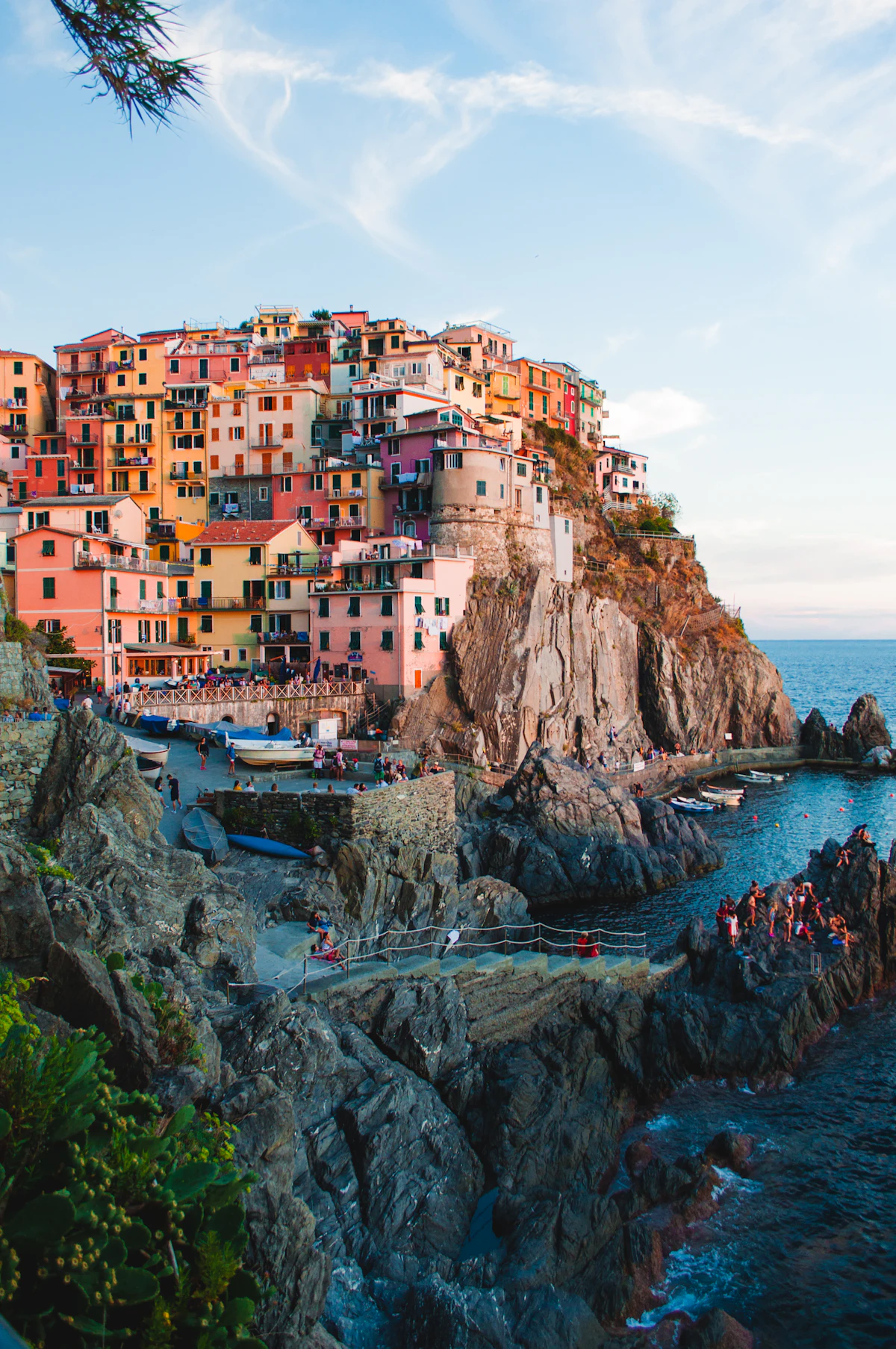
  • Cinque Terre

Best cities

  • Rome
  • Milan
  • Naples
  • Florence
  • Turin

UNESCO sites

  • Historic Centre of Rome
  • Venice and its Lagoon
  • Florence Historic Centre
  • Archaeological Areas of Pompeii and Herculaneum
  • The Last Supper and Santa Maria delle Grazie, Milan

Local food

  • pizza napoletana
  • pasta carbonara
  • risotto
  • gelato

Transportation

Trenitalia and Italo high-speed trains link major cities; regional buses reach hill towns; Venice uses vaporetti instead of cars.

Safety tips

Generally safe; watch bag theft in tourist crowds and heed earthquake and flood alerts in central Italy.

Weather

Mediterranean south is hot and dry in summer; Alpine north has cold winters; Venice and Florence see heatwaves and occasional acqua alta flooding.

Best time to visit

April to June and September to October for cities; August sees domestic holidays and closed family-run shops.

Popular destinations

Rome · Florence · Venice · Amalfi Coast · Cinque Terre

Frequently asked questions

Requirements depend on your passport nationality, length of stay, and purpose of travel. Italy maintains Schengen short-stay visa and visa-free entry for eligible passports within 90/180 rules, and some travellers qualify for visa-free entry or visa-on-arrival while others must apply in advance. Always verify the latest list published by the embassy serving your country of residence before departure, because bilateral agreements change without wide notice.

Typical tourist stays range from a few days to several months depending on the visa sticker or e-visa validity. Overstaying can lead to fines, future entry bans, or detention at departure. Your permitted duration is printed on the visa or entry stamp—plan extensions through immigration offices in Rome only if officially allowed, never by simply remaining past the date.

Tourist visas generally prohibit local employment and often restrict paid activity within Italy. Remote work for a foreign employer exists in a legal grey area in many countries and may still violate visa conditions if you are performing ongoing professional duties from Rome. If your trip includes client meetings or contract work, apply for a business or work route instead.

A valid passport, photographs, travel insurance, proof of accommodation, financial statements, and flight reservations form the core bundle for most categories. Business and family routes add invitation letters and relationship evidence. Each consulate publishes a checklist—missing one item can delay processing by weeks even when other papers are perfect.

There is rarely a single published figure; officers assess whether your balance matches hotel costs, daily spending in Euro (EUR), and trip length. Provide several months of bank statements with consistent income rather than a one-time deposit. Sponsors may submit their finances when they cover your expenses, accompanied by a signed support letter.

Many visa categories require insurance covering medical emergencies and repatriation for the entire stay. Policies should list Italy as a covered territory and meet minimum coverage amounts if specified by the embassy. Keep a printout in English at border control; some airlines deny boarding without proof when visa rules mandate insurance.

Applications are usually lodged at the visa application centre designated for Italy in London, Manchester, or Edinburgh, or through an online e-visa portal when available. Appointments may be required for biometrics. The embassy in Rome does not typically accept walk-in applications from UK residents unless explicitly stated.

Standard processing often takes two to four weeks once biometrics and documents are complete, while express services shorten that window when offered. Security checks for certain nationalities or travel histories add time. Apply at least six weeks before travel during summer, religious holidays, or major events in Italy.

Extensions are category-specific: some tourist visas cannot be extended and require exit and re-application, while student or work permits may renew through immigration departments in Rome. Overstaying while waiting for an extension decision is risky. Consult official immigration guidance before your current visa expires.

Major hubs in Europe, the Middle East, and Asia offer direct or one-stop routes to Rome, though schedules vary seasonally. Your visa validity should cover the entire itinerary, including layovers in third countries. If you transit through nations that require transit visas, arrange those before flying to Italy.

The official currency is Euro (EUR). International cards work in many urban hotels and restaurants, but markets and rural areas may prefer cash. Notify your bank of travel dates to prevent fraud blocks, and declare large cash amounts if customs rules in Italy require it.

Refusal letters usually cite insufficient funds, unclear purpose, or incomplete documentation. You may reapply with stronger evidence or appeal only if local law provides that right—many consular decisions are final. Address each stated reason, avoid identical submissions, and consider professional review of your file before paying another fee.

Customer reviews

“Prince Visa helped me organise documents for Italy quickly. The checklist matched what the visa centre asked for, and I received my visa without a second interview.”

— Sarah Mitchell, United Kingdom

“I was unsure about financial proof for Italy, but the team explained exactly what statements to include. Processing took longer during the holiday season, yet my application was accepted first time.”

— James Okonkwo, Nigeria

“Clear guidance on insurance and hotel bookings for Italy saved me from a rejection. I recommend starting at least a month before travel if you need an appointment for biometrics.”

— Elena Vasquez, Spain

Need help applying for your Italy visa?

Prince Visa can help you prepare forms and supporting documents for your application.

Start application
Start application